
Motor imagery for improving rider performance
For me motor imagery is one of the most valuable yet underused psychological skills within equestrianism. The term imagery is often used interchangeably with the word visualization. However, imagery is largely considered the correct term due to the most effective...
Three steps to improve your riding – the three stages of skill acquisition.
As a coach one thing that has always intrigued me is how some riders have considerable knowledge around correct riding technique, however they sometimes struggle to put it into practice, but at the same time some riders have high levels of riding ability but can not...
4 Steps to overcome rider anxiety
4 Steps to overcome rider anxiety I have always had considerable admiration for those riders who experience high levels of anxiety but push through and do it anyway! However the point is, it doesn’t have to be that way, there are many tried and tested methods that can...
Parenting the equestrian athlete
Parenting the equestrian athlete I was born into a non-horsey family; I am however lucky enough to have a mother that has always encouraged me to follow my passions. As a result, throughout the summer weekends of my childhood, my mum alongside my friends equally...
The 3 F’s of deliberate practice
The 3 F’s of deliberate practice You may well have heard of the 10,000 hour rule made famous by Malcolm Gladwell in his book Outliers. It certainly makes an appealing concept, practice anything for 10,000 hours to gain a level of expertise. However, this theory was...
Are we overthinking ourselves into paralysis?
One aspect of studying psychology I find absolutely fascinating is the impact of psychology on skill acquisition. In particular the gap between declarative and procedural knowledge. In other words, the difference between knowing what to do and the knowing how to do....
Better habits for better riding
All our life, so far as it has definite form, is but a mass of habits.William James Habits are a vital factor of everyday life. From our morning routine to our drive to work, studies show about 40 percent of our daily activities are performed in the same way each day....
Motivation, Self-determination theory and why I think riding clubs are a really great idea
Motivation, Self-determination theory and why I think riding clubs are a really good idea I think we can all admit to suffering from a lack of motivation from time to time. I love my job; I couldn’t imagine doing anything else but I must confess in the winter when the...
Why i wont apologise for being a ‘positioney’ instructor
In the past my teaching style has been described as being focused on riders’ positions or a rider focused coaching, one time I was described as a ‘positioney instructor’ which I rather liked! This assessment of my teaching style is understandable, given that I spent...
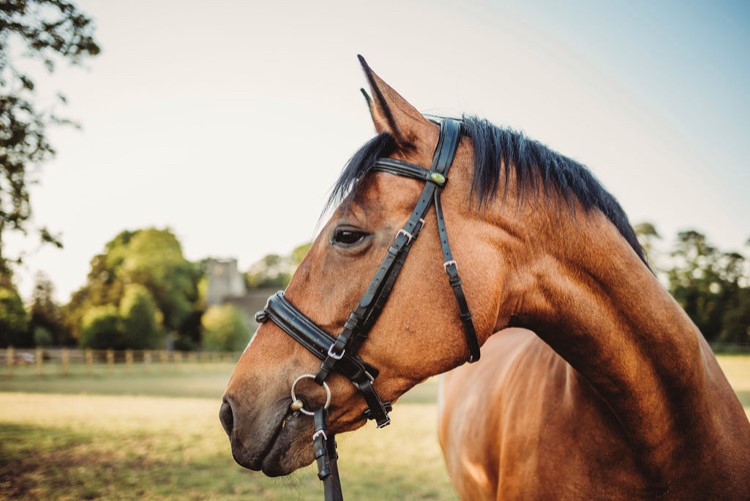
‘Its not nerves its excitment’ – overcoming competition anxiety
‘Its not nerves its excitement’ This is perhaps the most well-known and popular reframe when it comes to dealing with competition anxiety. It allows riders to embrace the psychological effects of pressure that can facilitate performance and reduce the negative effects...
Welcome
Welcome to my blog focusing on all aspects of equestrian life