
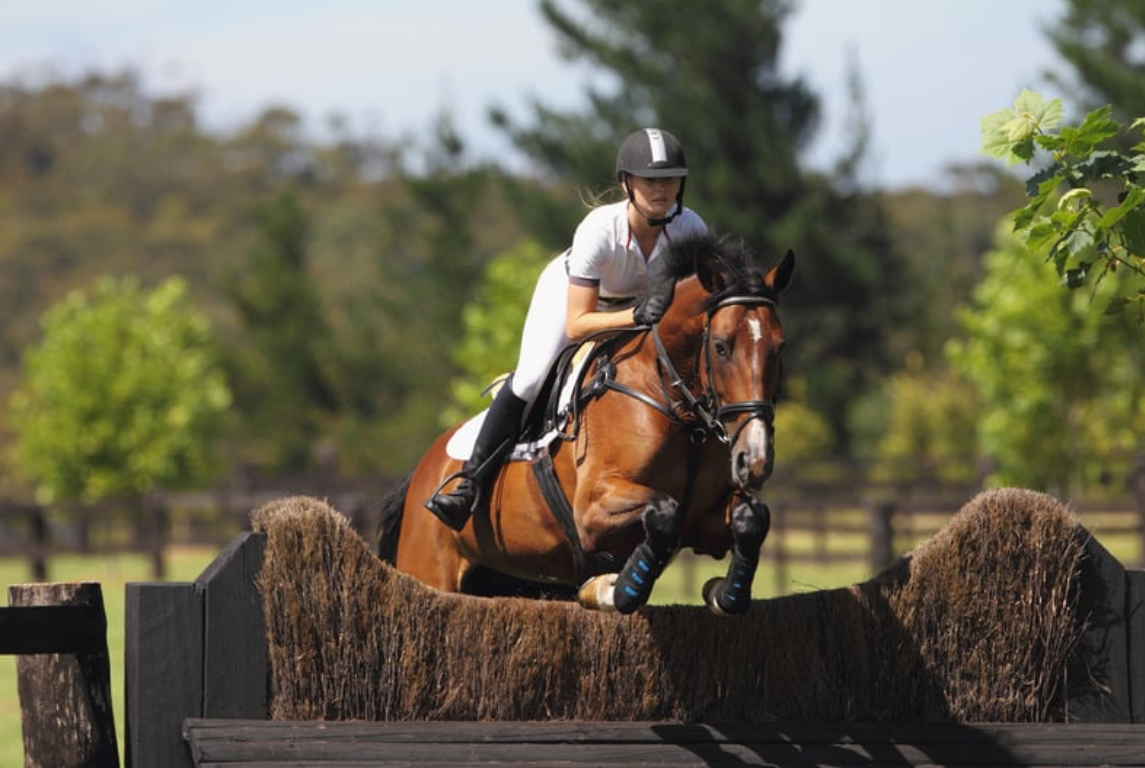
Finding Focus
I’ve spoken previously about the concept of flow, often referred to as “being in the zone.” It’s that feeling of being totally immersed in the task, where you experience a loss of self-consciousness and performance feels effortless. This is, of course, what we all aspire to. However, it’s not always achievable, and that’s okay.
Focus is complex and constantly changing. While a flow state is certainly desirable, it is not the only way to achieve great performance.
Finding the right focus, particularly under pressure, can feel like walking a fine line. Performance can be disrupted by a lack of focus, but it can also suffer from over-focus. This might show up as an excessive focus on technique, known as reinvestment, sometimes referred to as “paralysis by analysis.” A drop in performance can also be caused by focusing too much on task-irrelevant cues, such as worrying about the outcome or the spectators.
Focus is complex and constantly changing. While a flow state is certainly desirable, it is not the only way to achieve great performance.
The key point is that every rider and every situation is different. There is no one-size-fits-all solution. What matters most is developing strategies that help you return to an effective focus — strategies that work well for you.
While flow is a fantastic performance state, the Multi-Action Plan (MAP), developed by Maurizio Bertollo, suggests it is not the only way to perform well. MAP categorises performance states into four types:
Type 1 – High performance / Low cognitive control
This aligns with the concept of flow, where performance is high and cognitive control is low. The performance feels automated.
Type 2 – High performance / High control
Performance is deliberate and effortful, but still effective and successful.
Type 3 – Low performance / High control
This is reinvestment. Overthinking leads to a loss of performance, often described as a “choke.”
Type 4 – Low performance / Low control
Here, performance is unfocused and disengaged.
While both Types 3 and 4 result in reduced performance, both Types 1 and 2 can produce strong outcomes. This highlights that flow is not the only state in which things can go well.
The key skill is developing the ability to redirect your focus when needed. The best way to do this depends on individual factors such as trait anxiety levels, skill level, and the nature of the task. However, here are a few strategies that can help you achieve an optimal focus:
1. Pre-performance routines
These may include listening to music, using imagery, self-talk, or breathing exercises. A pre-performance routine should always be tailored to the individual.
2. Core components of action
These are simple technical cue words that bring the rider back to a task-relevant focus , for example, “look up” or “breathe out.”
3. Dropping anchor
This approach, drawn from Acceptance and Commitment Therapy (ACT), helps bring the mind back to the present moment. It might involve taking a mindful breath or noticing the feel of the reins in your hands.
Ultimately, the goal is to develop a strategy that works for you and then practice it consistently. Everyone’s focus drifts from the ideal from time to time. The key is having a well-rehearsed method for bringing it back on track.
The key skill is developing the ability to redirect your focus when needed


0 Comments