
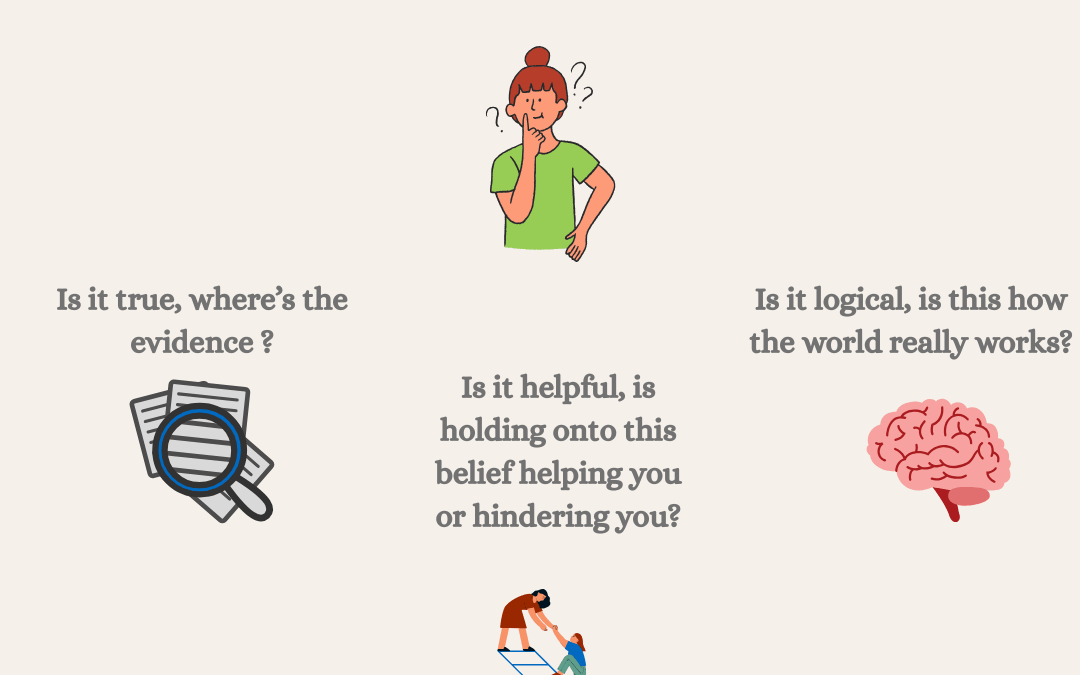
The importance of challenging unhelpful beliefs
“If you are pained by any external thing, it is not this thing that disturbs you, but your own judgement about it” Marcus Aurelius If you have a goal something you are working towards you will enviably face some adversity. We can’t achieve...
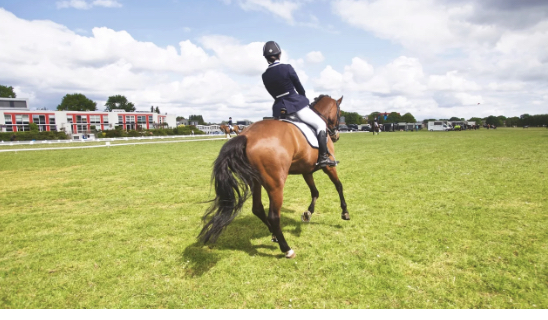
Practicing Pressure
Practicing pressure I think most people would agree with me that the ability to perform under pressure isn't a fixed personality trait but rather something that can be developed over time, like most things, through...
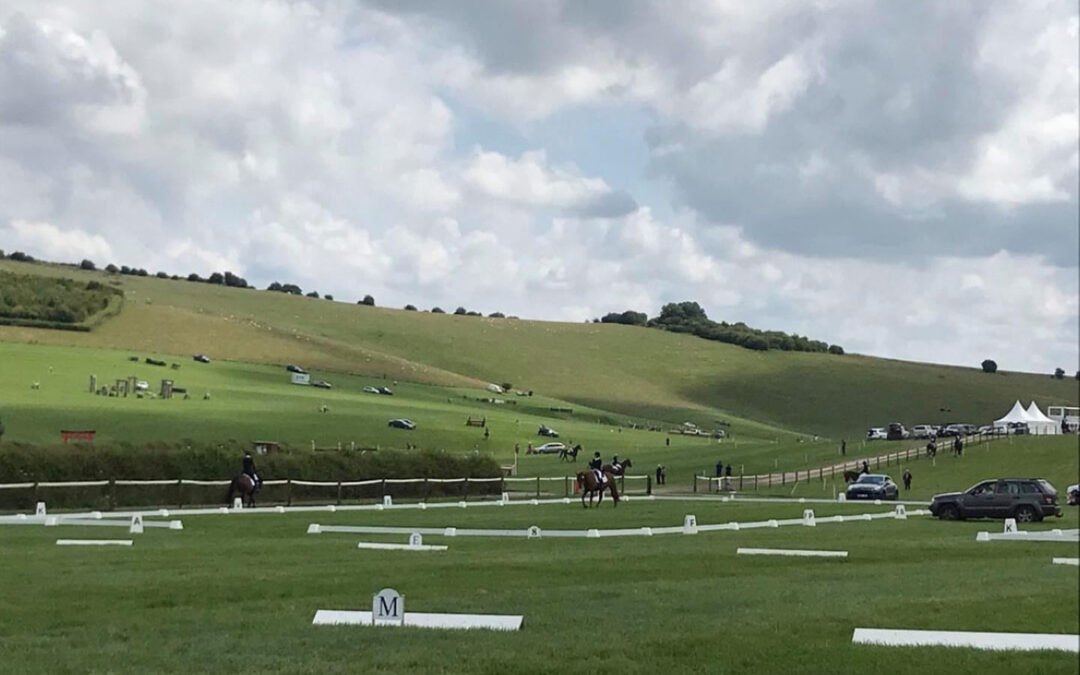
Are we doing enough to support our officials
A few weeks ago, I attended with my SEPAR supervisor, an event for referees hosted by the Officiating Growth Hub at the University of Gloucestershire. I had some really great conversations with the referees, and it has given me a lot to...
Achievement vs Fulfillment: The Importance of Enjoying the Process
Have you ever thought to yourself, “If I get to ride at that level, then I’ll be happy,” or “If I compete at that championship, I’ll finally feel like I’m a good rider”? You work hard, push yourself, and eventually reach the milestone you’ve been chasing, only to find...
Acceptance and Commitment Therapy (ACT) for Equestrians
Acceptance and Commitment Therapy, commonly known as ACT is growing in popularity among sports psychologists. It offers an alternative to the tradition of positive thinking. Encouraging athletes to instead accept difficult feelings and rather than wrestling with them,...
The impact of focus on improving rider technique
If you haven't already, before reading this blog head over to YouTube and look up ‘selective attention test’. ........................................................................................................................................ ...
3 Reasons why riding can be good for your mental health
3 Reasons why riding can be good for your mental health Equestrianism, as a sport, of course brings with it many sources of stress and challenge. Firstly, there's the huge investment of time and money. Often certain aspects of riding can be anxiety inducing, in...
Implicit vs Explicit Memory- What’s the difference and why do we need both
When you watch a highly skilled rider in action, a dressage rider performing a flawless flying change or an event rider skillfully navigating a cross-country jump. it’s easy to marvel at what appears to be mystical talent. But behind every polished performance lies a...

Values vs. Goals: Understanding the Difference and Why It Matters
Goal setting has become a popular subject amongst equestrians. You don’t have to look far to find goal setting journal or workshop encouraging us to set SMART goals. But what happens when those goals aren’t met? Or when the pressure to achieve them becomes...
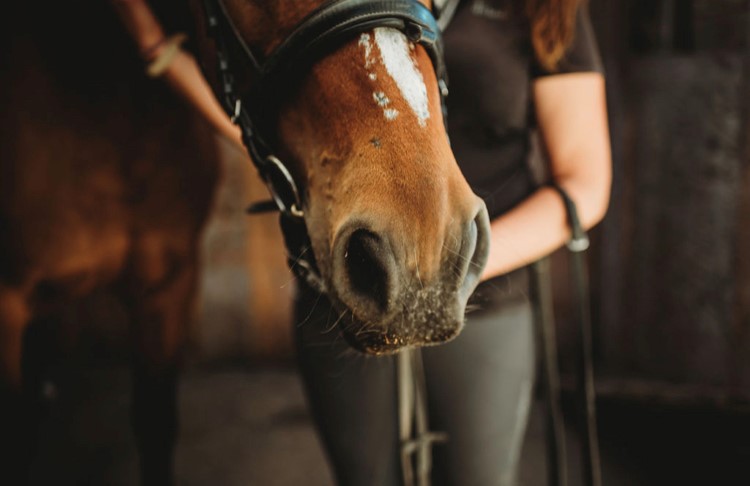
Self-Talk to Improve Rider Performance
Self-talk is something we all use a lot of the time. However, it is not always helpful. At its best self-talk has a variety of uses, it can be used to motivate, to aid focus, build confidence and aid skill acquisition. A good way to think of self-talk is as either...

Welcome
Welcome to my blog focusing on all aspects of equestrian life