
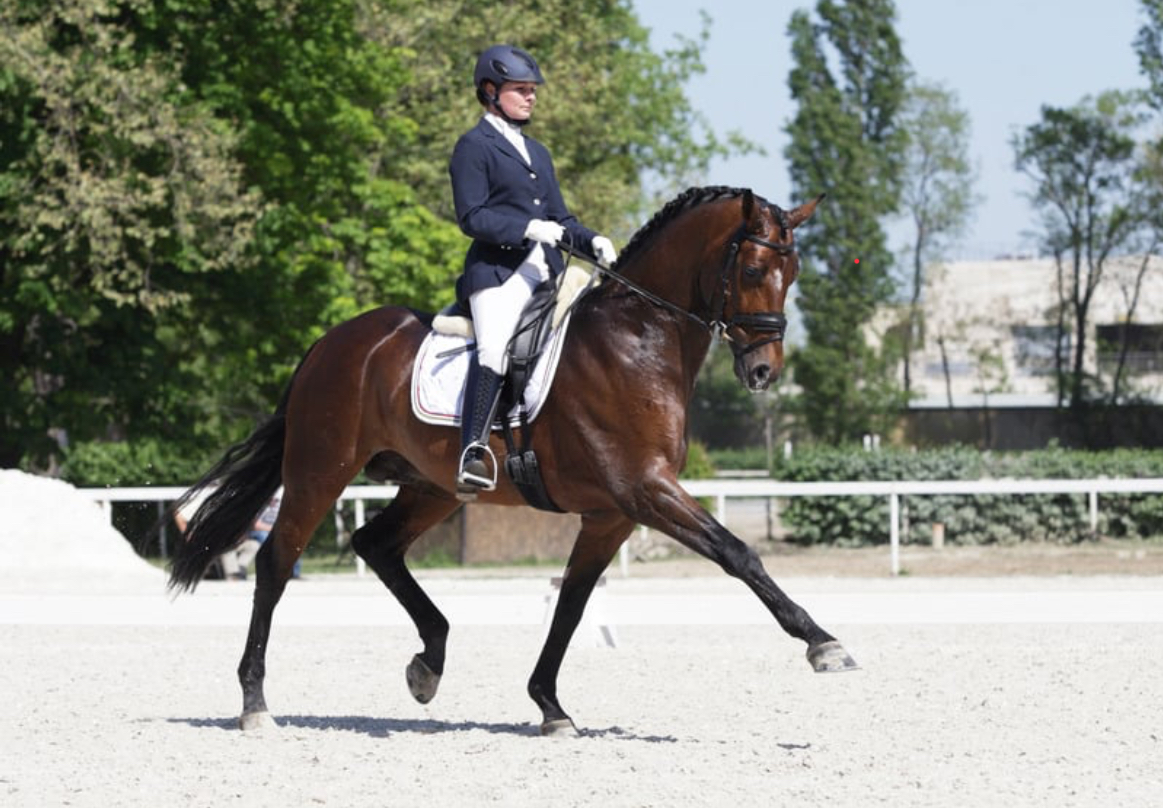
I think, as riders, we are all aware of how our emotions impact our behaviour. I imagine that if I were to show a group of riders a silhouette of a nervous rider and one of a confident rider, they would be able to identify which was which purely from posture alone. However, an interesting question to ask is this: if our emotions can impact our posture, could our posture also impact our emotions?
In 2010, Amy Cuddy and colleagues carried out a study that would eventually be popularised through a hugely successful TED Talk. In brief, the researchers set out to explore the connection between body language and psychological states — asking whether posture might not only reflect our mindset, but also help to shape it.
Participants were split into two groups and asked to hold a pose for a few minutes. One group held an open, expansive posture (a high-power pose), while the other group held a closed, submissive posture, such as slouching forward with crossed arms (a low-power pose).
The researchers found that participants in the power-pose group reported increased feelings of confidence and power and were more willing to take risks. The original study also reported hormonal changes, including higher testosterone and lower cortisol levels, compared to the submissive-pose group, who showed higher levels of cortisol, the stress hormone. The researchers concluded that acting confident could help people feel more confident — what Amy Cuddy referred to as “fake it till you make it.”
While later attempts to replicate the hormonal findings have produced mixed results, the increase in self-reported confidence and feelings of power has been more consistently supported in subsequent research.
So, what does this mean for us as equestrians?
Take a look at the power pose below.
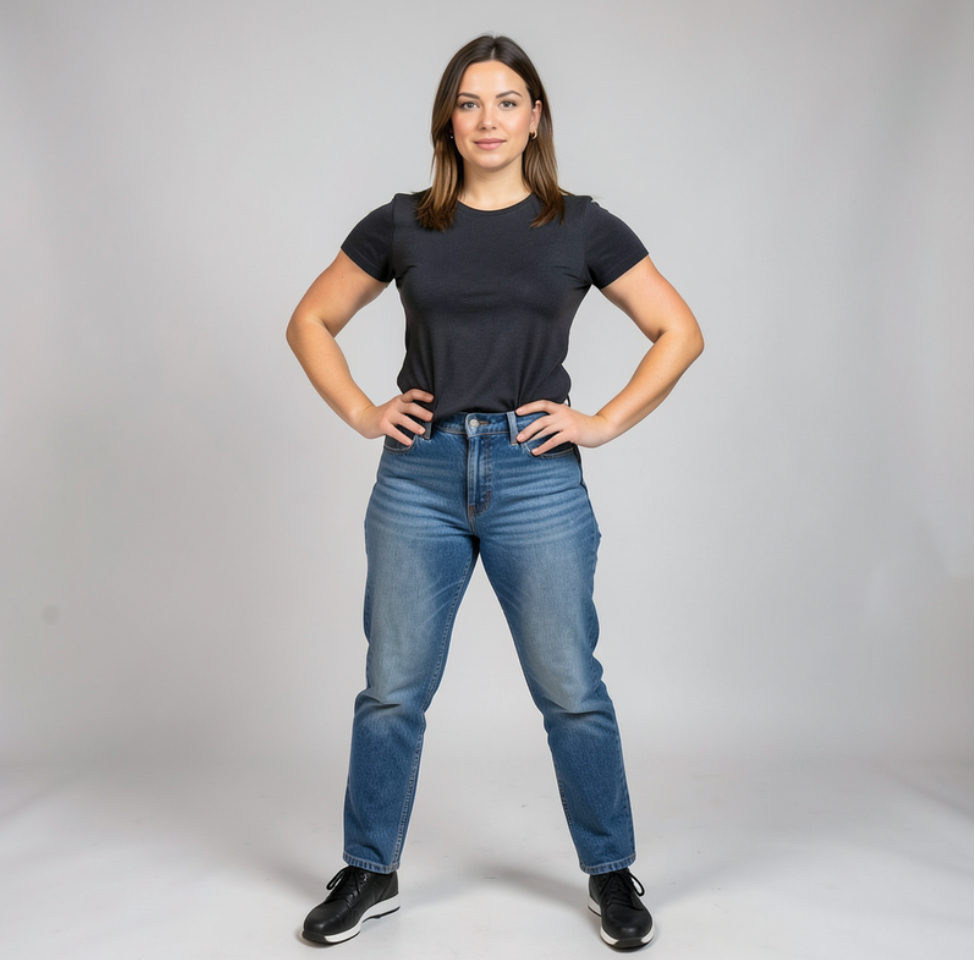
Now think about it in relation to the posture of a confident, capable rider. Can you see the similarities? Broad shoulders, an open chest, and a forward, attentive gaze.
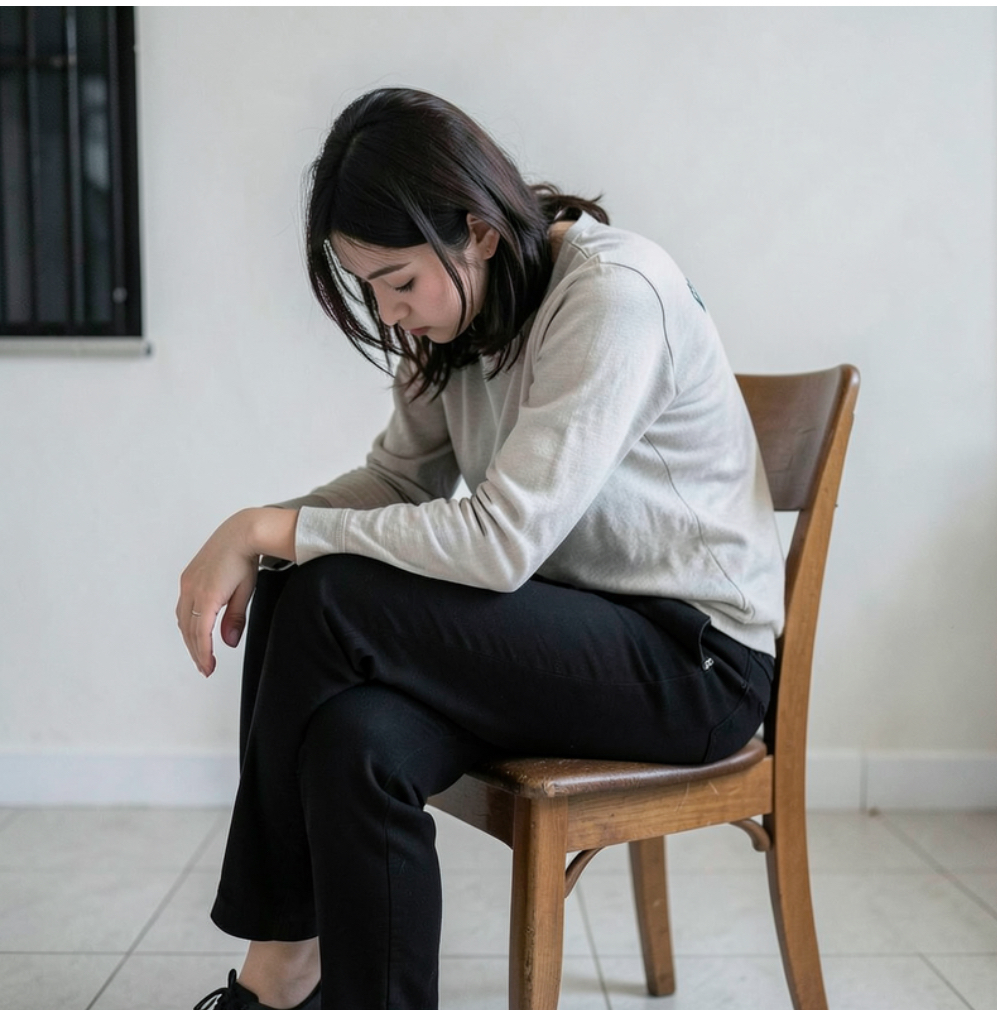
Now look at the submissive pose. Can you see similarities to the posture a nervous or novice rider might adopt? Rounded shoulders, a tipped-forward posture, and a downward gaze.
This is why, as both a coach and a sports psychologist, I find this research particularly fascinating. Could it be that by adopting the posture of a confident rider, we can begin to feel more like one?
We can explore this idea further by considering Polyvagal Theory.
Polyvagal Theory was developed by neuroscientist Stephen Porges in the 1990s and describes how our autonomic nervous system continuously scans the environment for cues of safety or threat. Based on this, we shift between three primary states:
- Ventral vagal (safe and regulated, associated with calmness, confidence, and social engagement)
- Sympathetic (fight or flight, associated with anxiety, tension, and heightened alertness)
- Dorsal vagal (shutdown, associated with withdrawal and low energy)
So how does this relate to Amy Cuddy’s work on power poses?
From a polyvagal perspective, an open, expansive posture may send signals of safety and readiness to the nervous system, supporting activation of the ventral vagal state and promoting feelings of calm and confidence. In contrast, a closed, slumped posture may be associated with shutdown and withdrawal, while a tense, forward-leaning posture may reflect or reinforce a sympathetic state linked to stress and anxiety.
In conclusion, while we often focus on how a rider’s emotions influence their posture, behaviour, and performance, there is clear value in also considering the reverse: how a rider’s posture may influence how they feel.

0 Comments